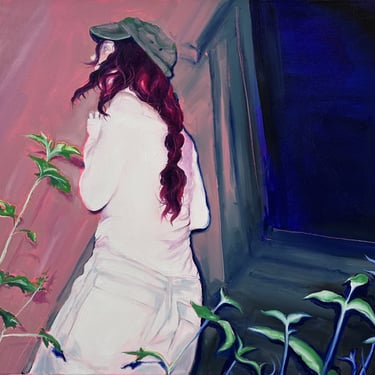
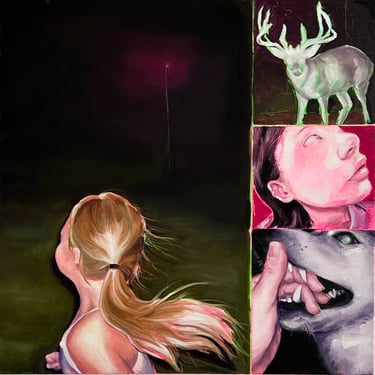
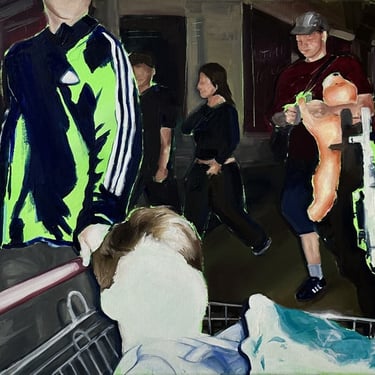
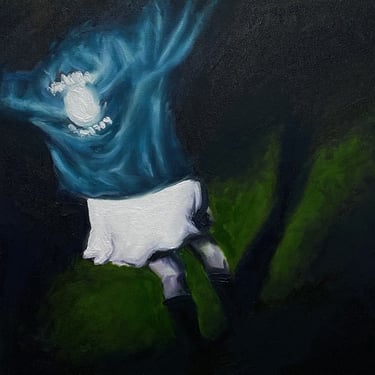
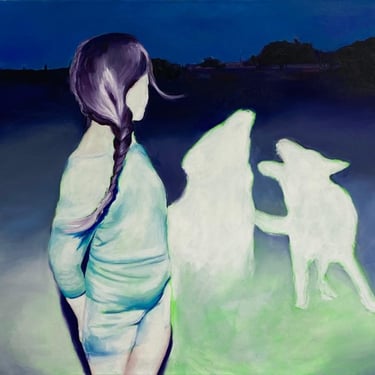
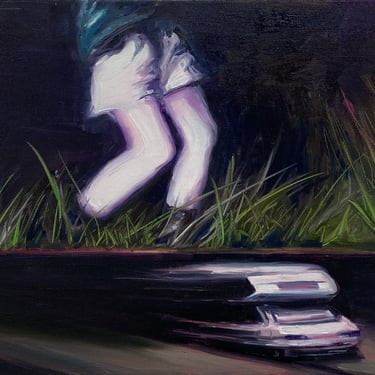
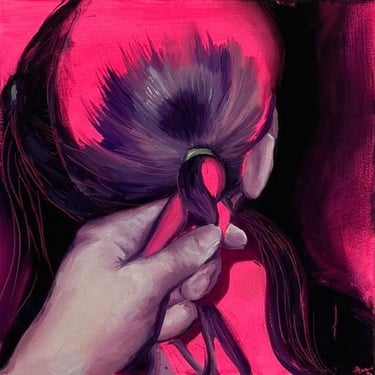
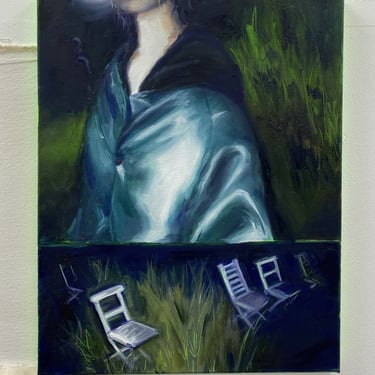
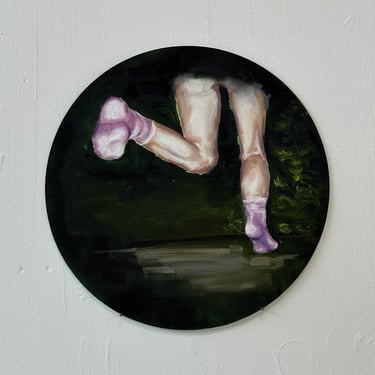
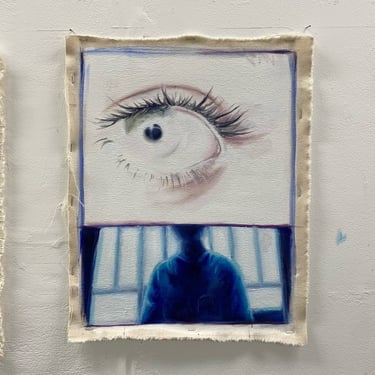

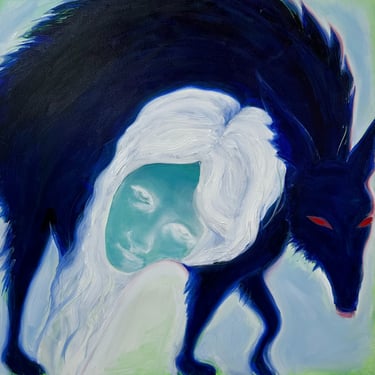
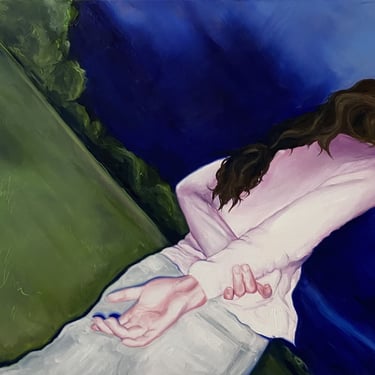
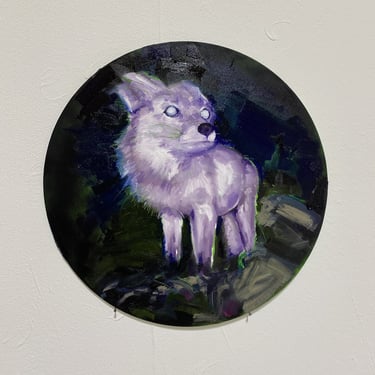
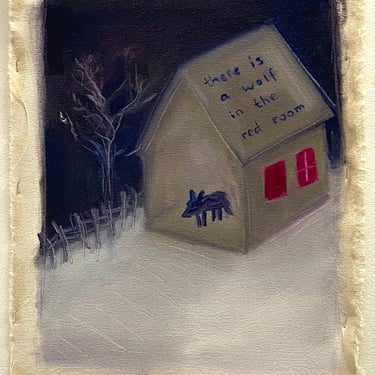
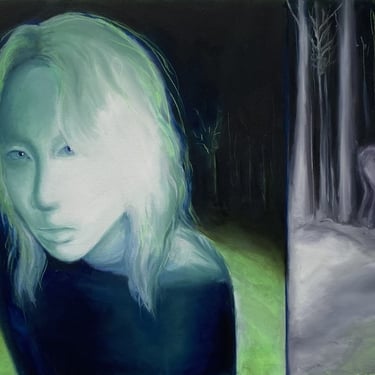
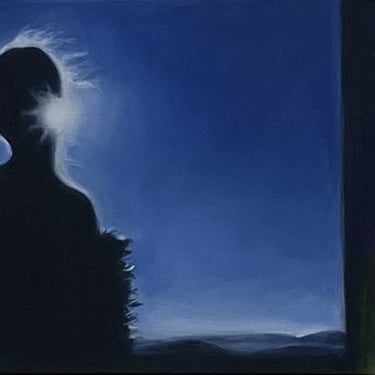
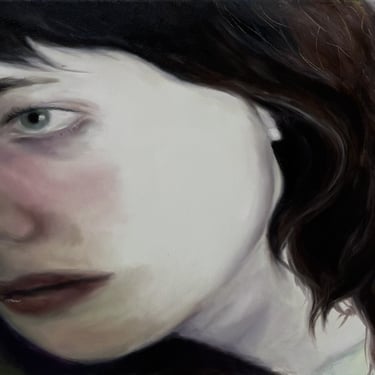
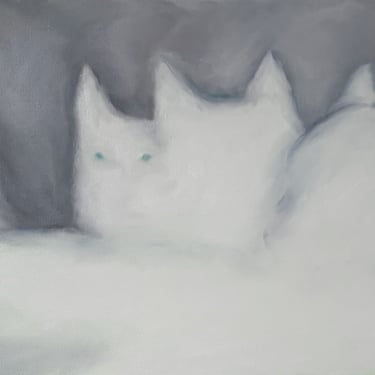
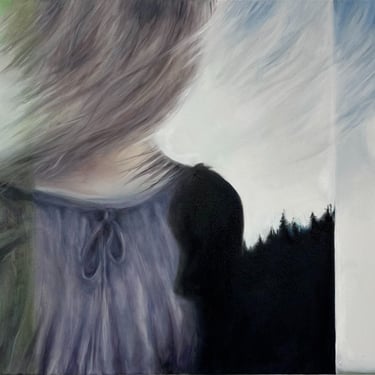
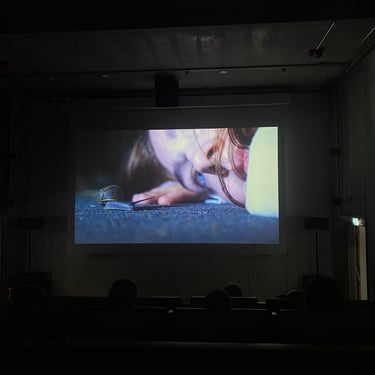
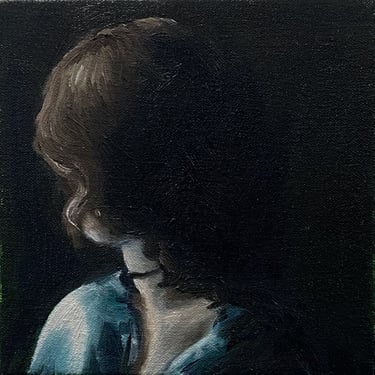
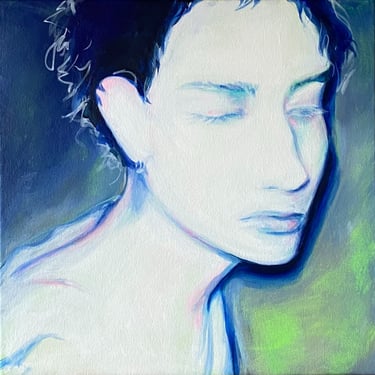
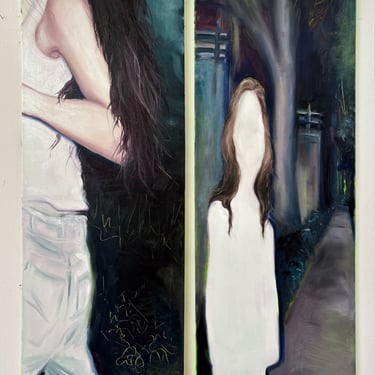
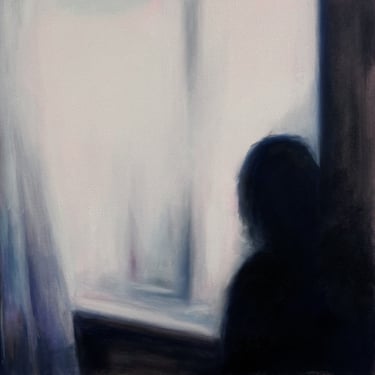


At the center of Melanie Alieva’s artistic practice are painting and film. Through reinterpreting feminist, gothic mythological, internet-based, and popular cultural narratives, her work explores how experiences of fear, vulnerability, and desire are negotiated within social narratives, particularly how victim-blaming shapes the way experiences are remembered, suppressed, romanticized, or rewritten, and how forms of trust are often retrospectively interpreted as naïve.
Her references range from gothic fairy-tale adaptations such as The Bloody Chamber and The Company of Wolves (Carter, 1979; Jordan, 1984) to contemporary online discourses such as the Man or Bear debate, theoretical concepts such as Abjection (Kristeva, 1982), and motifs such as the Red Room.
Within this framework, Melanie Alieva explores fear as an ambivalent experience that swings between fascination and the romanticization of potential danger. Her work moves between trust in intuition and learned narratives, manifesting in impulses to flee, return, hide, dream, remember, forget, long for, or regret. Her paintings and video works frequently feature young women and animals situated within ambiguous landscapes that hover between protection and threat, curiosity and naivety, past and present, memory, nostalgia, deception and imagination.
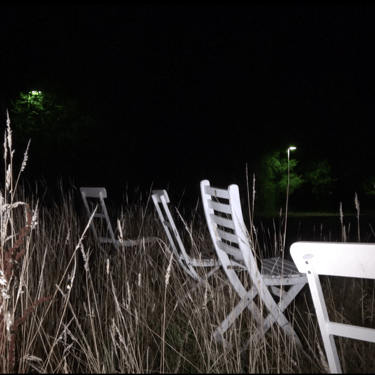
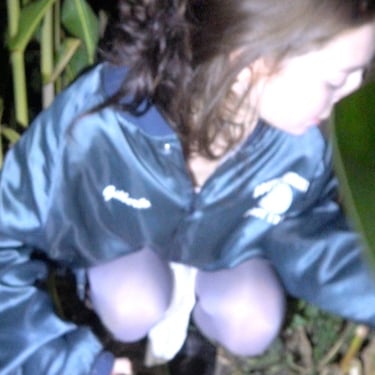
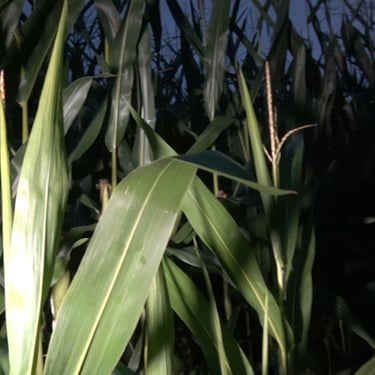
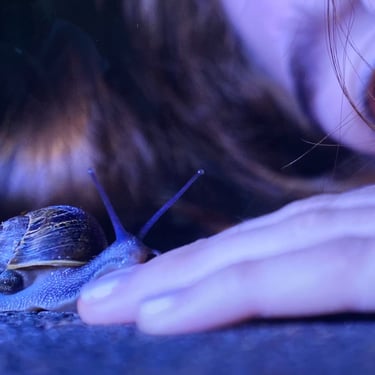
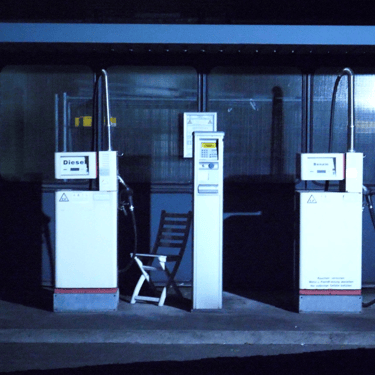
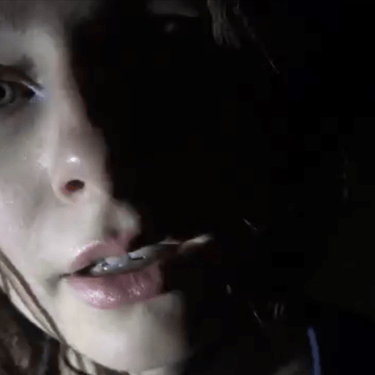
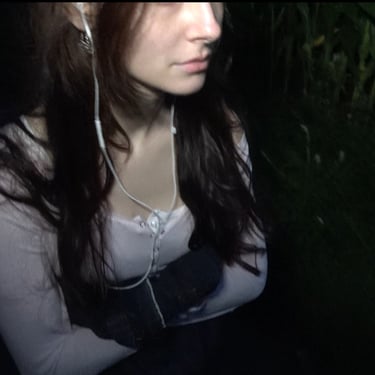
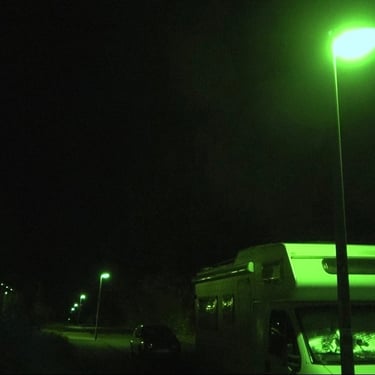
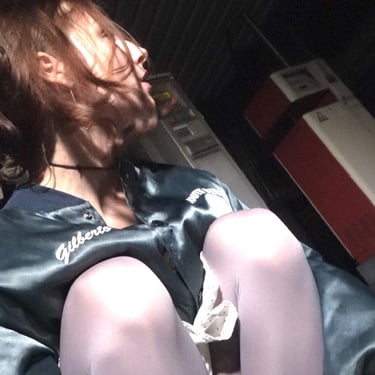
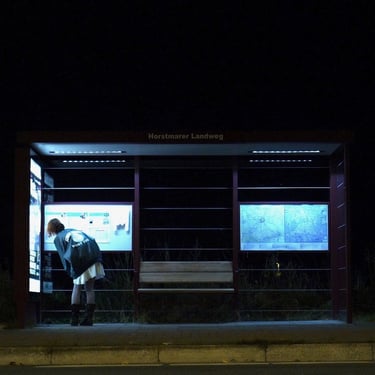
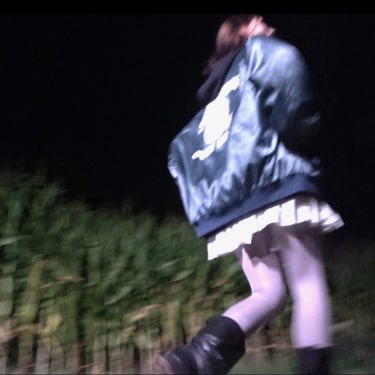
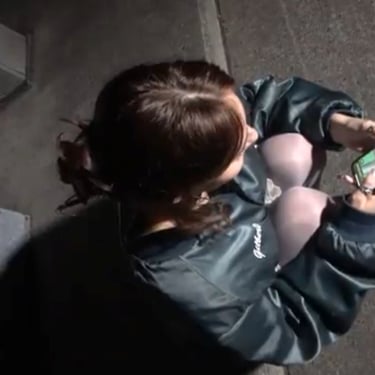
Her painting process often begins with self-created photographs, videos, short films from which she extracts and edits film stills. Her visual language draws from such moving images and the aesthetic of the Poor Image (Steyerl, 2009), combining voyeuristic perspectives, night-vision and overexposure effects, fragmented compositions and split screens, titled and stretched horizons and warning-like color contrasts to create uncanny moments between perception, memory, and constructed narratives.
portfolio
melanie alieva
melanie.alieva@gmail.com
@melneuff and @melneuf Instagram
© 2026. All rights reserved.